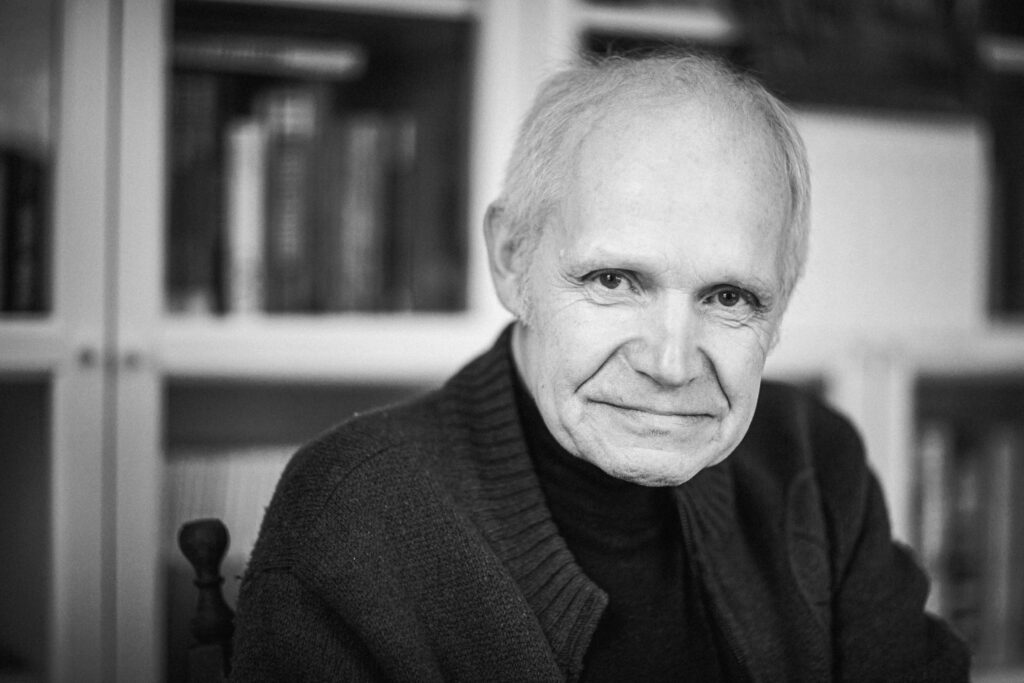
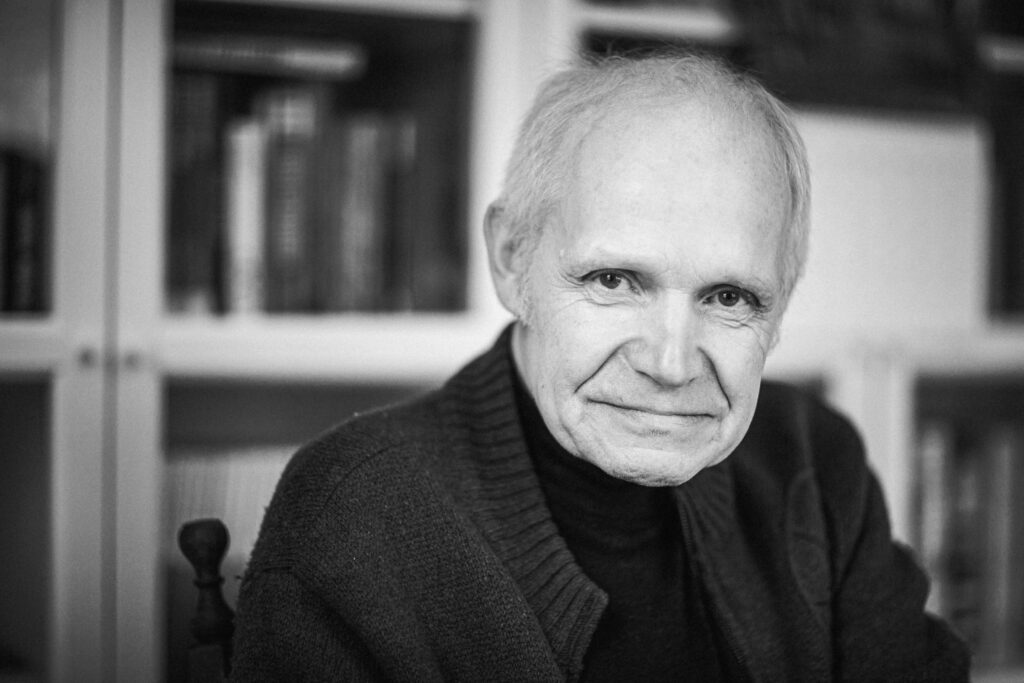
Kalevi Kull is Professor of Biosemiotics in the Department of Semiotics, University of Tartu, Estonia. His research deals with biosemiotics, ecosemiotics, general semiotics, mechanisms of biodiversity and evolution, primary processes of meaning-making, and theory and history of semiotics and theoretical biology. He has edited several books and is a coeditor of the journal Sign Systems Studies and the book series Biosemiotics and Semiotics, Communication and Cognition.

Sara Lenninger is Associate Professor of Cognitive Semiotics at Kristianstad University, Sweden, and holds the title of Docent in Cognitive Semiotics. Her research is situated within the interdisciplinary field of cognitive semiotics, integrating semiotic theory with cognitive science, developmental psychology, and educational research. She focuses on meaning-making as a cognitive, embodied, and intersubjective process, with particular emphasis on semiotic development in early childhood and visual and polysemiotic communication.

Marcin Moskalewicz is Associate Professor of Philosophy at Maria Curie-Skłodowska University and Team Leader at the IDEAS Research Institute, Warsaw. His transdisciplinary research operates at the intersection of phenomenology, psychiatry, and computational approaches to lived experience. His recent books include Hannah Arendt’s Ambiguous Storytelling (Bloomsbury 2024) and Phenomenological Neuropsychiatry, Ed. (Springer 2024).
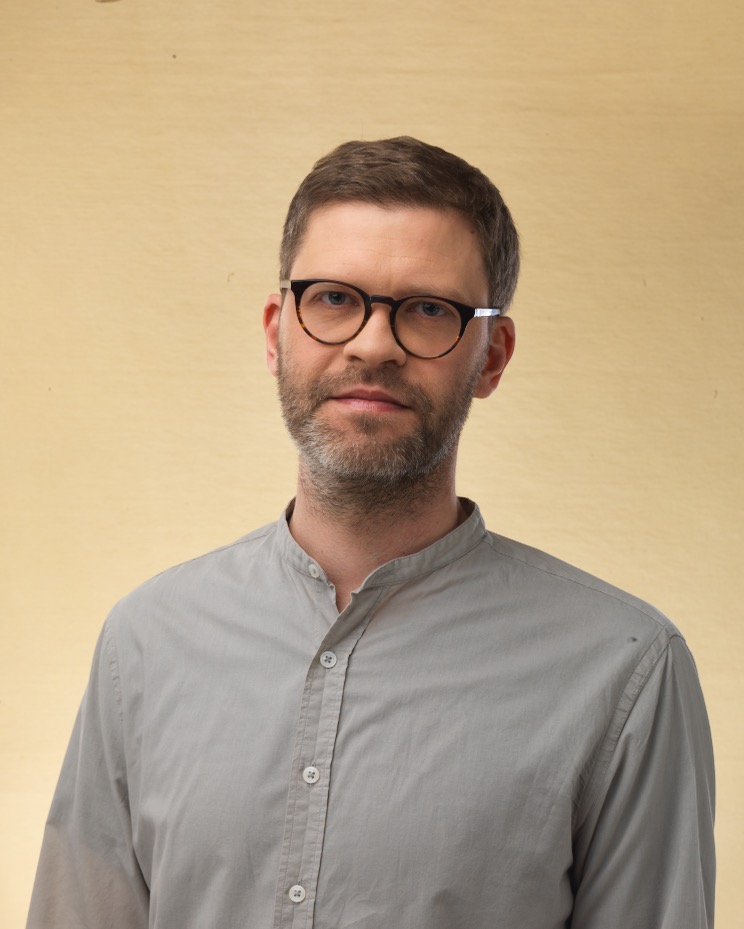
Marek Pokropski is an Associate Professor at the Faculty of Philosophy, University of Warsaw. His research interests include phenomenology, the philosophy of mind, and the philosophy of cognitive science. His latest book, Mechanisms and Consciousness: Integrating Phenomenology with Cognitive Science (Routledge, 2021), explores the integration of first-person approaches to consciousness with neuroscience.

Jordan Zlatev is Professor of General Linguistics and Director of Research for the Division for Cognitive Semiotics at Lund University, Sweden. His current research focuses on polysemiotic communication, and more generally on the nature of language in relation to other semiotic systems like gesture and depiction. His approach to cognitive semiotics is strongly influenced by phenomenology, the philosophy and methodology of lived experience. He is editor-in-chief of Public Journal of Semiotics. He is the author of Situated Embodiment: Studies in the Emergence of Spatial Meaning (1997), and of over 100 articles in academic journals and anthologies.